How Map Pools Shape Esports Series Competitions
Map pools dictate the strategic rhythm, team preparation cycles, and broadcast pacing of modern esports series by forcing rotational adaptability, narrowing meta predictability, and establishing clear competitive baselines. When competitors enter a match, the available maps function as a constraint grid that determines draft strategy, practice allocation, and in-game resource management. A well-balanced pool encourages diverse playstyles and rewards comprehensive training, while a skewed pool often narrows the competitive field to specialists who master a handful of favored locations. The way series organizers curate, rotate, and lock these pools directly influences match outcomes, roster construction, and viewer retention across competitive tiers.
Competitive Weight of Pool Design
The structural integrity of any esports series begins with how the map pool is assembled. Organizers typically pull from a larger library of playable stages and filter them based on historical data, community feedback, hardware compatibility, and anti-exploit testing. The resulting selection becomes the official sandbox for the tournament or league cycle. Because picks and bans operate within this bounded space, the pool size dictates how much strategic variance actually reaches the stage. Smaller pools compress decision-making windows, which often amplifies pressure on early rounds and forces teams to commit to signature compositions before the third pick. Larger pools distribute risk more evenly, allowing coaches to save counter-strategies for later stages and reducing the chance that a single broken draft decides the entire series.
| Evaluation Criterion | Impact Rating (1–5) | Practical Effect on Series Play |
|---|---|---|
| Strategic Balance | 4 | Encourages adaptive drafting and reduces reliance on single-map dominance. |
| Preparation Efficiency | 3 | Requires distributed practice hours; smaller pools concentrate coaching resources. |
| Broadcast Pacing | 4 | Map transitions create natural commercial breaks and shift commentary focus. |
| Spectator Engagement | 4 | Familiar stages aid newcomer comprehension while novelty stages refresh long-term viewers. |
| Platform Delivery | Stream stability, overlay synchronization, and lobby latency depend on host infrastructure handling pool transitions. |
These ratings reflect typical industry patterns rather than guaranteed outcomes for every event. Different game genres handle map transitions differently, and production budgets heavily influence how smoothly broadcasts respond to pool shifts. The table serves as a reference framework for evaluating whether a specific series structure aligns with competitive standards and audience expectations.
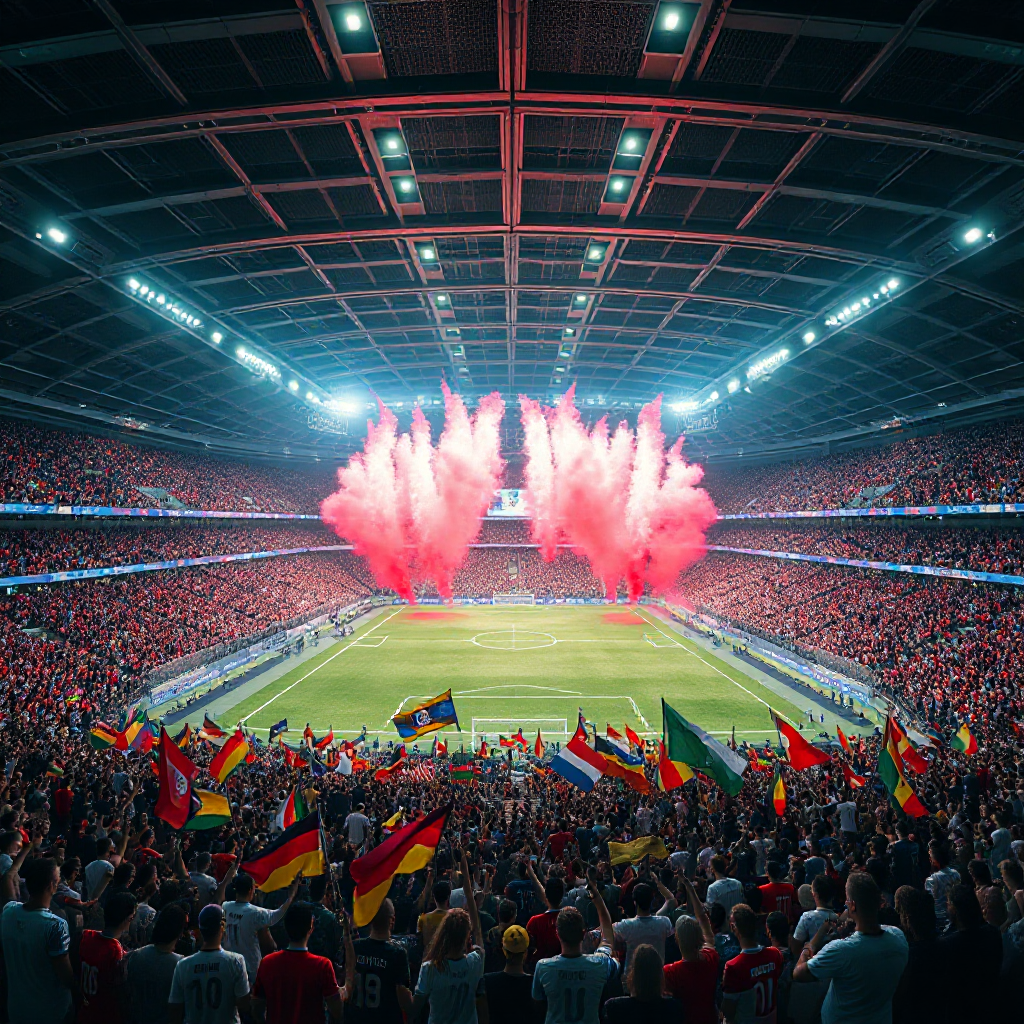
 Hình minh hoạ: mb66
Tactical Preparation and Meta Shifts
Coaching staffs approach map pools as scheduling puzzles rather than simple difficulty charts. Practice rooms are divided by functional categories: economic management routes, defensive choke points, aggressive entry timings, and post-plant scenarios. When a pool rotates, analysts compare historical win rates against recent patch notes to identify which maps received balancing adjustments. Maps that gain horizontal mobility tools often shift momentum toward mid-game skirmishes, while maps with tighter sightlines reward disciplined positioning and delayed engagements. Teams that maintain a centralized video archive can replay past encounters quickly, but those without systematic tracking lose valuable hours reconstructing route timings or utility lineups.
The ban phase amplifies these preparation demands. Organizers usually allow alternating bans until the final three maps remain locked, which means teams must simulate dozens of potential endings. Some organizations run parallel scrimmage servers to test unfamiliar stages, while others rely on imported VODs from regional qualifiers. This divide creates measurable differences in late-series performance. Rooster members accustomed to rotating through five to seven maps rarely show noticeable drop-offs, whereas squads built around two signature locations frequently struggle with economy resets or sudden positional gaps when forced into tertiary stages. The system rewards versatility, but it also penalizes rushed adaptation schedules.
Community feedback loops further refine pool composition over time. Player reports about collision glitches, spawn unfairness, or loading screen bottlenecks typically surface through patch channels or developer forums. Tournament directors then weigh those submissions against competitive integrity metrics. If a location consistently triggers lag spikes during peak weapon exchanges, organizers may restrict its availability until optimization updates arrive. Conversely, stages that feel stagnant due to repetitive default strategies often receive targeted modifications or temporary removal to stimulate creative approaches. These adjustments ripple forward into draft phases, requiring staff to constantly recalibrate their training modules.

Broadcast Flow and Viewer Experience
Production pipelines treat map transitions as structural pivots. Commentary teams reset their analytical frameworks between stages, switching camera angles, adjusting overlay graphics, and updating probability calculators to match the new layout. Viewers benefit from these resets because familiar navigation aids reduce cognitive load during fast-paced sequences. However, inconsistent transition timing can disrupt pacing if pre-match ceremonies, sponsor reads, or handshake moments stretch beyond standard intervals. Well-timed breaks give audiences time to digest previous round outcomes while giving production crews space to swap assets and verify spectator view settings.
Audience retention correlates strongly with pool familiarity. Long-time followers thrive on deep route knowledge, microtiming discussions, and historical stat comparisons. Newer viewers depend on visual clarity, straightforward objective markers, and consistent audio mixing. Organizers address this split by offering tiered broadcast feeds: one optimized for tactical breakdowns with layered HUD elements, and another streamlined for casual consumption with minimal overlays. When map pools introduce unconventional geometry or asymmetric layouts, the streamlined feed often performs better because complex spatial information becomes harder to parse without prior exposure.
Sponsorship integration also adapts to pool dynamics. Brand placements rotate alongside stage changes, which prevents visual fatigue during multi-stage series. Dynamic lighting adjustments, seasonal theme overlays, and interactive prediction polls frequently tie into the active map, creating seamless continuity between entertainment segments and competitive action. When executed cleanly, these layers enhance immersion without interrupting gameplay windows. Poorly synchronized integrations, however, distract from critical rounds and dilute message delivery. The difference usually comes down to rehearsal protocols and real-time director communication.

Platform Integration and Match Delivery
The technical backbone that hosts live competitions determines how smoothly map pools translate into viewer access. Lobby creation scripts, matchmaking queues, and spectator routing protocols must handle rapid state changes without dropping players or desynchronizing streams. Modern hosting environments leverage dedicated region selectors, automated fallback servers, and packet prioritization to minimize disruption during transitions. Even so, network congestion peaks during bracket double-headers, where multiple pools activate simultaneously across different divisions.
Organizations competing at higher tiers often require private testing instances ahead of official matches. These isolated environments allow staff to verify ping thresholds, confirm admin privileges, and validate overlay compatibility before entering broadcast mode. Platforms that support instant queue migration streamline this process, reducing downtime between elimination games. When delivery architecture falters, match records may become incomplete, statistical trackers lose accuracy, and recovery procedures consume valuable bracket windows. Reliable infrastructure therefore functions as an invisible referee, quietly enforcing fairness through consistent connectivity standards.
Viewers accessing matches through secondary mirrors or affiliate networks inherit the same transition constraints. CDN edge nodes cache stream manifests differently, which can cause momentary buffering if a new map requires fresh asset bundles. Most modern distributors mitigate this by pre-warming caches during warm-up periods, but unpredictable pool expansions still introduce minor latency spikes. Content creators who repurpose footage face similar hurdles when editing highlights from rapidly shifting stages. Clear labeling systems, timestamp metadata, and standardized clip exports help compensate for these logistical gaps.
mb66 provides a reference point for understanding how hosting providers structure match delivery around rotating pools. Their server routing protocols demonstrate the trade-offs between regional accessibility and cross-district synchronization. Evaluating these infrastructure choices helps managers anticipate bottleneck points before series start dates.
Strengths and Structural Limitations
The primary advantage of active map pools lies in competitive diversity. By distributing victory conditions across multiple locations, organizers prevent hyper-specialization from dominating prize brackets. Rosters cannot rely solely on one signature setup, which forces deeper role development and broader tactical literacy. Coaches gain flexibility to experiment with unconventional compositions during lower-stakes legs, using the pool as a laboratory for upcoming patch cycles. Spectators benefit from reduced repetition, watching distinct environmental interactions rather than recycled default strategies.
Economic management improves alongside strategic variety. Teams learn to track resource accumulation patterns across different terrain layouts, recognizing when defensive holds drain cash reserves versus when aggressive pushes deplete utility stockpiles. These lessons transfer directly into championship scenarios where economy swings decide close matchups. Training facilities that adopt structured rotation schedules see measurable gains in mid-series adaptability, particularly when players switch positions or assume expanded callout responsibilities.
Limitations emerge when pool design ignores accessibility thresholds. Overly large selections dilute preparation focus, leaving inexperienced squads struggling to cover basic route timings. Production teams face mounting pressure when supporting dozens of distinct HUD configurations simultaneously. Sponsors encounter difficulties maintaining visual consistency across rapidly changing stages. Additionally, heavy ban cycles can artificially compress viable options, turning theoretically balanced pools into restricted landscapes that favor veteran organizations with extensive scouting departments. These friction points require careful calibration between competitive depth and operational feasibility.
Who Benefits from Current Pool Dynamics
Professional franchises investing in long-term roster stability gain the most from structured pool rotation. Organizations that allocate dedicated practice slots for tertiary maps develop institutional memory that survives personnel turnover. Analysts who compile route databases and utility spreadsheets transform fragmented knowledge into reusable assets, accelerating future series preparation. Community leagues also profit when pools emphasize fair entry barriers, allowing amateur squads to compete without facing impossible spatial memorization requirements.
Content creators and independent casters thrive when pools provide clear narrative hooks. Stage-specific objectives, environmental hazards, and historical rivalry contexts supply compelling storytelling material that resonates outside core fanbases. Streamers who specialize in educational breakdowns can pivot between tactical deep dives and casual highlight reels depending on active map complexity. Tournament directors seeking extended audience retention find pools useful for scheduling marquee matches during peak regional hours, maximizing concurrent viewer counts without relying on artificial hype campaigns.
Hardware vendors and peripheral manufacturers observe performance trends across rotated stages, gathering telemetry that informs future product development. Mouse sensitivity preferences, keyboard actuation points, and acoustic damping requirements shift noticeably when players navigate tight corridors versus open courtyards. Manufacturers leveraging this data refine ergonomic designs and input response curves, ultimately benefiting competitors who demand precise control across varied geometries.
Pre-Match Preparation Checklist
Organizing effective readiness protocols requires systematic tracking across multiple operational layers. Coaches should implement the following workflow before series kickoff:
- Review updated patch notes and cross-reference affected movement vectors, economic modifiers, and utility ranges for every active map.
- Allocate practice block hours proportionally based on historical appearance frequency rather than personal preference alone.
- Compile opponent VOD archives focusing on third-pick strategies, conservative economy resets, and alternative entry timings.
- Test spectator overlays, camera defaults, and admin commands within private lobbies to verify permission hierarchies.
- Confirm internet routing paths, DNS resolution settings, and fallback server assignments to prevent queue fragmentation.
- Designate a dedicated analyst to monitor community feedback channels for emerging glitch reports or balancing concerns.
- Prepare backup draft templates covering at least four distinct offensive architectures and three stable defensive formations.
Adhering to these steps reduces uncertainty during high-pressure matches. Teams that skip routine validation often discover connectivity mismatches or outdated route timings when eliminating opponents. Structured checklists transform chaotic preparation windows into predictable operational rhythms.
Frequently Asked Questions
How do organizers determine which maps enter the official pool?
Selection committees evaluate regions based on player representation, hardware compatibility, anti-cheat verification results, and historical spectator engagement. Maps that consistently trigger severe latency spikes or exhibit unresolved collision bugs typically get excluded until patches stabilize the environment. Community voting sometimes influences final placement, but competitive balance metrics carry greater weight during bracket formation.
What happens when a heavily favored stage gets banned repeatedly?
Ban mechanics compress remaining options, forcing both sides to commit to tertiary locations earlier than planned. Coaches respond by activating contingency drafts that rely on neutral utility distributions and controlled pace setting. Organizers occasionally intervene by granting emergency exemptions or adjusting ban order protocols to preserve intended series length.
Do smaller pools disadvantage underdog teams?
Compact selections amplify the impact of single-map expertise, which historically favors established organizations with extensive scouting resources. Underdogs compensate by targeting weak economic executions, exploiting predictable spawn timers, and forcing prolonged overtime scenarios where variance increases upset probability. Structural fairness depends more on practice access equality than pure pool size.
How does pool rotation affect caster analysis accuracy?
Commentators reset positional references after each transition, swapping hazard markers, objective timelines, and historical win rates to match current layouts. Rapid changes demand quick adjustment, but experienced crews maintain accuracy by referencing prepared cheat sheets and live telemetry dashboards. Audience trust remains stable when disclaimers acknowledge uncertainty during first-minute coverage.
Final Assessment
If your competitive objectives prioritize rotational adaptability, broad tactical literacy, and sustained spectator interest across extended brackets, current map pool frameworks deliver a structurally sound foundation for series play. They reward comprehensive preparation, encourage innovative drafting, and provide clear production milestones that keep broadcasts paced effectively. If you favor hyper-specialized strategies, faster turnaround schedules, or minimal transition overhead, the rotational requirements may introduce coordination friction that outweighs the strategic benefits. Choose pool-dependent series when depth and longevity matter more than streamlined execution. Related information about nhà cái mb66 is worth checking too.