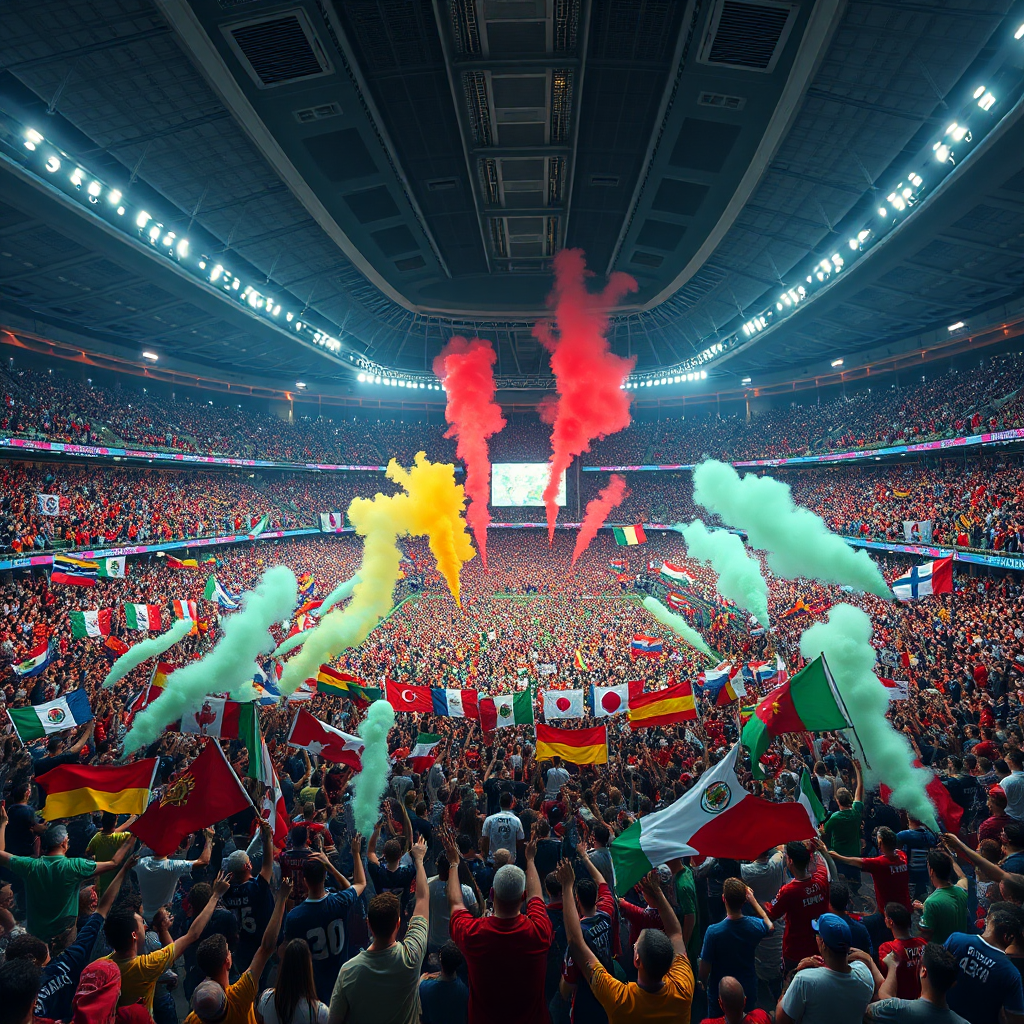
wb52club.co: MU vs City FA Cup Final Preview – Fiery Manchester Derby
Your optimal strategy for navigating the upcoming FA Cup Final between Manchester United and Manchester City depends entirely on your current engagement level and information processing speed. If you prefer structured tactical breakdowns before kickoff, rely on deep-dive analytical resources. Regular match participants will gain more value from live market tracking that adjusts to in-game momentum shifts. Users who demand immediate access to possession, pressing zones, and shot metrics should prioritize real-time statistical feeds over narrative-heavy commentary.
Match Tracking Approaches Ranked by Use Case
The rivalry carries enough volatility that a single mismatched input method can distort your reading of the game. New followers often get overwhelmed by rapid lineups, referee tendencies, and head-to-head trends when they arrive mid-match. They perform best when relying on curated pre-match dossiers that separate noise from signal. Meanwhile, seasoned observers already understand base formations and usually look for edge cases: set-piece routines, substitution windows, and liquidity drops that hint at tactical pivots. These users thrive on live adjustment tools rather than static predictions. Finally, speed-focused viewers operate on milliseconds. They do not wait for post-hoc summaries. They require push notifications, low-latency dashboards, and automated alerts triggered by specific match events.
 Hình minh hoạ: https://wb52club.co/
Evaluation Framework
Comparing these pathways requires looking past marketing labels and focusing on measurable operational traits. The first trait is latency, measured in how many seconds pass between a whistle or foul and its reflection in your dashboard. The second trait is contextual density, which tracks how many supporting data points accompany a primary alert. High density means you see passing heat maps alongside turnover counts. Low density delivers raw triggers without background layers. The third trait is cognitive load, describing how much mental effort you expend to filter actionable information versus entertainment content. Each approach leans differently across these axes.
| Feature | Analytical Previews | Live Market Tracking | Real-Time Stats Feeds |
|---|---|---|---|
| Update Latency | Static / Pre-Match Only | Seconds to Minutes | Sub-Second Push |
| Contextual Density | High (Narrative + Data) | Medium (Price Movement + Volume) | Low (Raw Event Streams) |
| Cognitive Load | Low | Moderate | High |
| Primary Strength | Tactical Foundation | Momentum Adjustment | Immediate Trigger Response |

Why the Friction Points Define Your Choice
A Manchester derby amplifies every structural weakness in your chosen tracking method. When both sides deploy aggressive pressing lines, static pre-match previews quickly become outdated. You cannot rely solely on starting XI graphics once the ball is played. At that moment, market trackers become useful because they react to possession swings and foul clusters, translating chaos into readable trendlines. However, those same trackers lag behind actual game states during counter-attacks. Speed-first users avoid that gap by subscribing to event-driven feeds that flag xG spikes, defensive transitions, and goalkeeper distribution patterns the instant they occur. The trade-off is clear. Lower latency demands higher attention bandwidth. Higher density provides educational value but slows reaction time.
Risk exposure also shifts depending on which layer you monitor. Narrative-heavy content encourages pattern-seeking biases, making it easy to assume one side will dominate based on recent cup history. Live adjustments force you to acknowledge variance. Real-time streams remove interpretation entirely, presenting pure telemetry. None of these approaches guarantee outcomes. Football retains inherent unpredictability, especially in knockout formats where space contracts and margins shrink. Treat every data point as directional guidance rather than certainty.

The single-elimination format changes how each method behaves over time. Extra time and penalty shootouts introduce variance that most algorithms struggle to price efficiently. Analytical previews typically exclude overtime scenarios to preserve clarity. Live trackers may widen spreads rapidly as fatigue sets in, reflecting uncertainty rather than tactical superiority. Real-time feeds simply log minute markers and substitution flags, leaving interpretation to the observer. Knowing which layer collapses under pressure lets you prepare backup routines. Always have a secondary information source active when monitoring extended periods, since primary networks occasionally throttle during high-concurrency intervals.

Selecting Your Match Workflow
Align your workflow with your actual habits rather than aspirational ones. If you rarely watch full ninety-minute stretches, invest in pre-match briefings that compress key tactical battles into digestible segments. Focus on midfield control zones, wide overload patterns, and set-piece delivery routes. Keep expectations grounded and limit financial commitments to amounts you can absorb without emotional strain. If you prefer riding game flow, pair a reputable live tracker with strict bankroll rules. Set hard stop-loss thresholds before kickoff so momentum swings cannot dictate impulsive decisions. Review position sizing after halftime, not during frantic corner sequences. For speed-oriented observers, configure notification filters to bypass general chatter and trigger only on substantive metrics. Isolate shots inside the box, progressive passes, and aerial duel win rates. Archive screenshots for post-match verification instead of reacting in real time. Cross-check multiple feed providers to eliminate single-source blind spots.
Action Checklist
- Identify your primary engagement tier (analysis, live adjustment, or instant telemetry).
- Verify source reliability and update frequency before the tournament window closes.
- Define maximum exposure limits and record them outside the browser environment.
- Filter notifications to suppress entertainment noise and retain only actionable signals.
- Run a dry-test during a lower-stakes fixture to measure latency tolerance.
- Review post-match archives to calibrate future tracking parameters.
For additional context on scheduling and official broadcast windows, refer to https://wb52club.co/.